
Onward Quest – Children’s Intensive Outpatient Program (IOP)
Intensive Support for Children Ages 8–12
Onward Quest is an 8‑week Children’s Intensive Outpatient Program (IOP) designed for children ages 8–12 who need more support than weekly outpatient therapy. The program helps children build emotional awareness, coping skills, confidence, and healthy relationships in a safe, engaging environment.
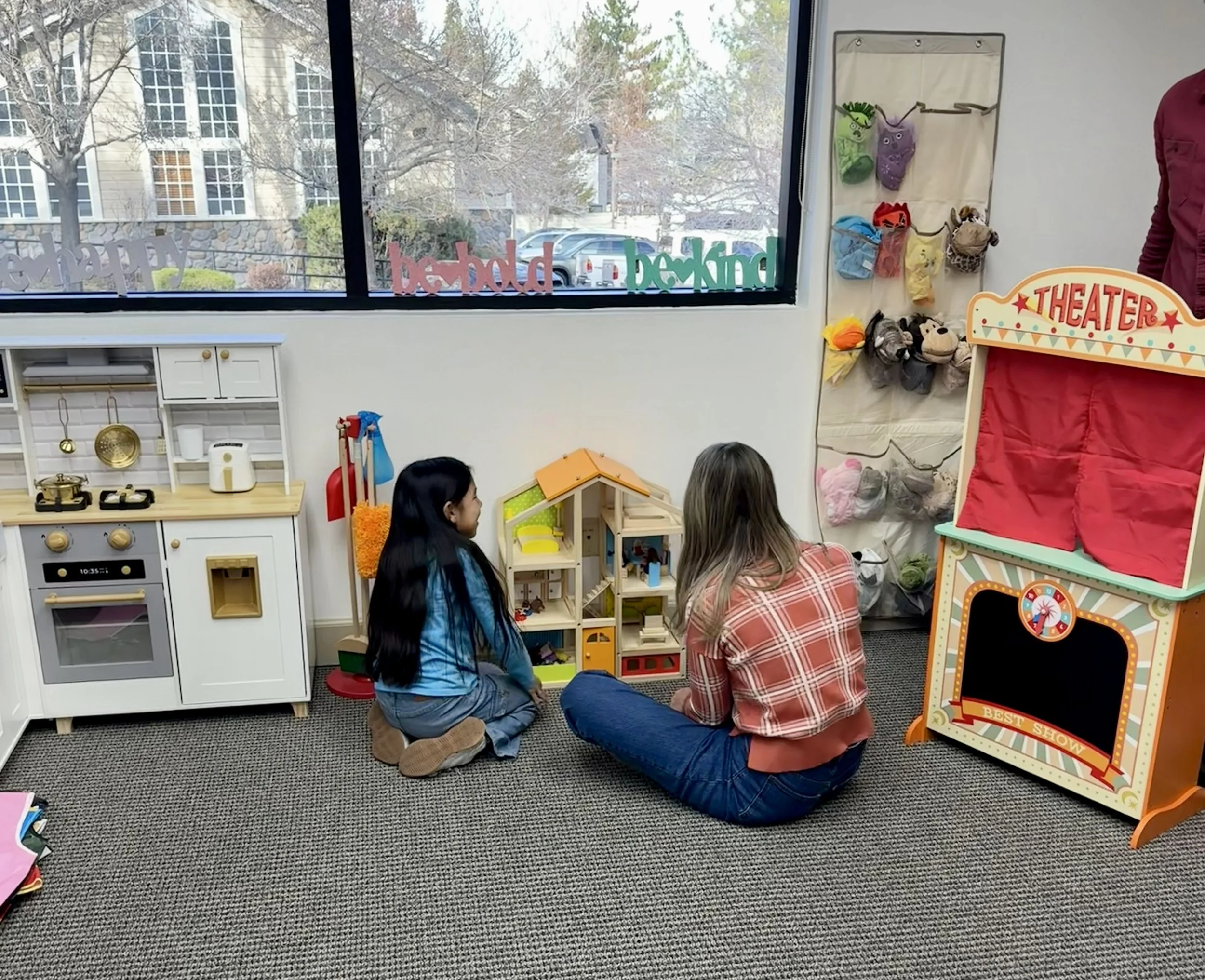
Program Overview
Onward Quest provides structured, skills‑based group treatment three afternoons per week, allowing children to remain connected to home, school, and community. Programming is trauma‑informed, developmentally appropriate, and highly engaging.
This program supports children who struggle with:
Emotional regulation and big feelings
Anxiety or low mood
Trauma-related stress and attachment challenges
Behavioral difficulties
Social skills and family relationship concerns
Referrals & Assessments
Admission requires a completed clinical assessment demonstrating medical necessity. Assessments may be completed internally or provided by outside clinicians. We collaborate closely with families, schools, pediatric providers, and community partners to ensure continuity of care.

Program Schedule & Structure
Ages: 8–12
Length: 8 weeks
Days: Tuesday, Wednesday, Thursday
Time: 3:30 PM – 6:30 PM
Weekly Commitment: 9 hours, including individual sessions
Each child also receives dedicated evaluation time during the program, and caregivers participate in one hour of involvement per week to reinforce learning at home.
Program Components
Skills‑based group therapy
Individual therapeutic sessions
Movement‑based activities
Nature‑based groups
Yoga and mindfulness
Art and creative expression
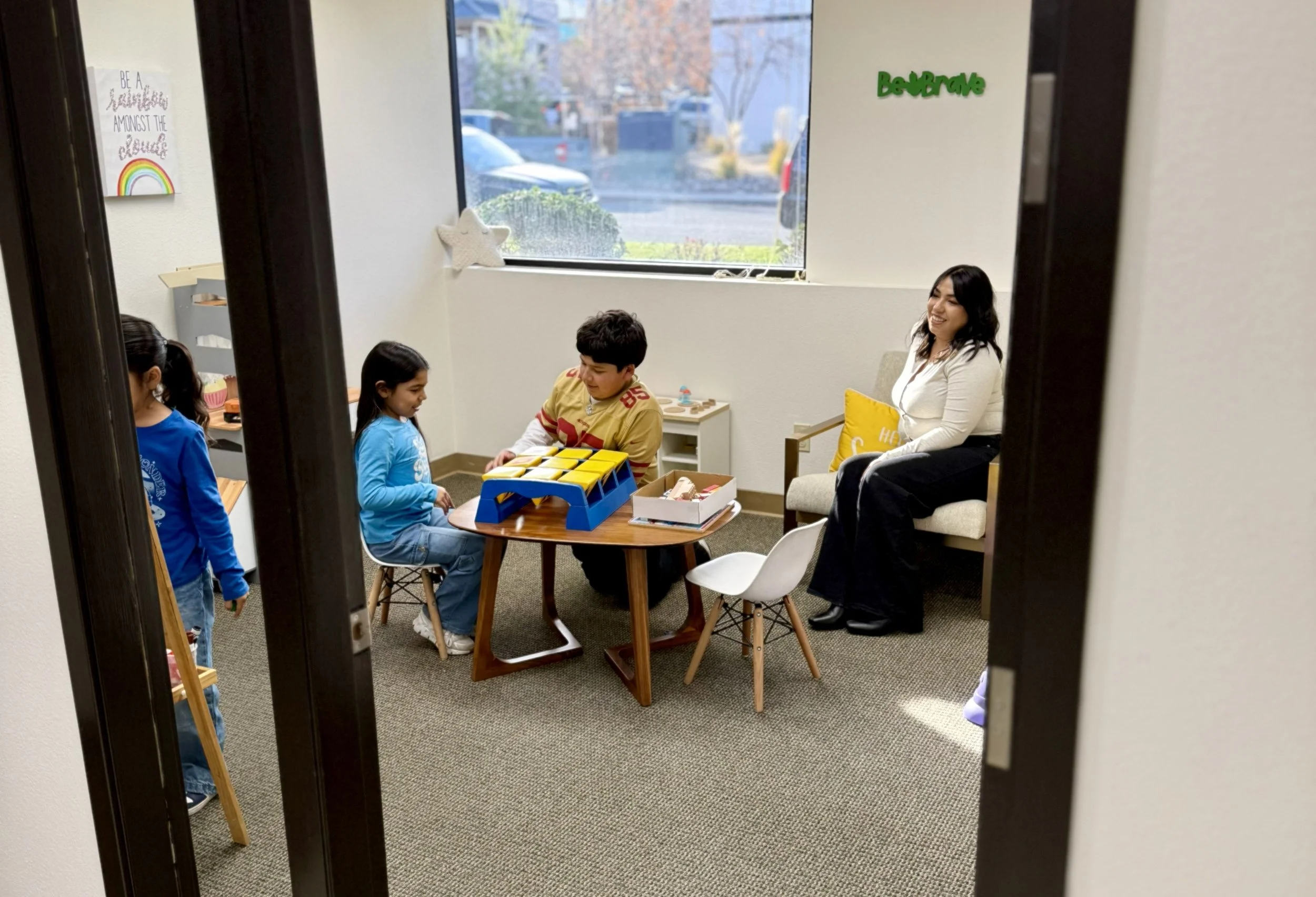
Treatment Approach
Onward Quest is grounded in the ARC Framework (Attachment, Regulation, Competency). The model is trauma‑informed, skills‑focused, and developmentally appropriate.
Treatment emphasizes:
Emotional awareness and regulation
Coping strategies and flexible thinking
Problem‑solving and decision‑making
Attachment and relational connection
Skill generalization to home and school environments
Caregiver & Care Coordination
Caregivers are active partners in treatment.
Support includes:
Weekly, 1-hour caregiver support groups
Ongoing communication and education
Collaboration with referral sources and outpatient providers
Discharge planning and step‑down recommendations

After Program Completion
Following program completion, clients can step down to 2–3 hours per week of continued care, which may include:
Individual outpatient therapy
Alumni group participation
Psychiatric and supportive services


This program is made possible through generous support from the Renown Health Partnership for Progress Grant and Northern Nevada Public Health, to deliver accessible, high-quality behavioral health services.